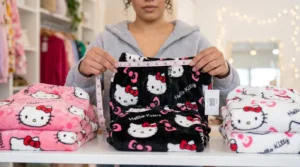
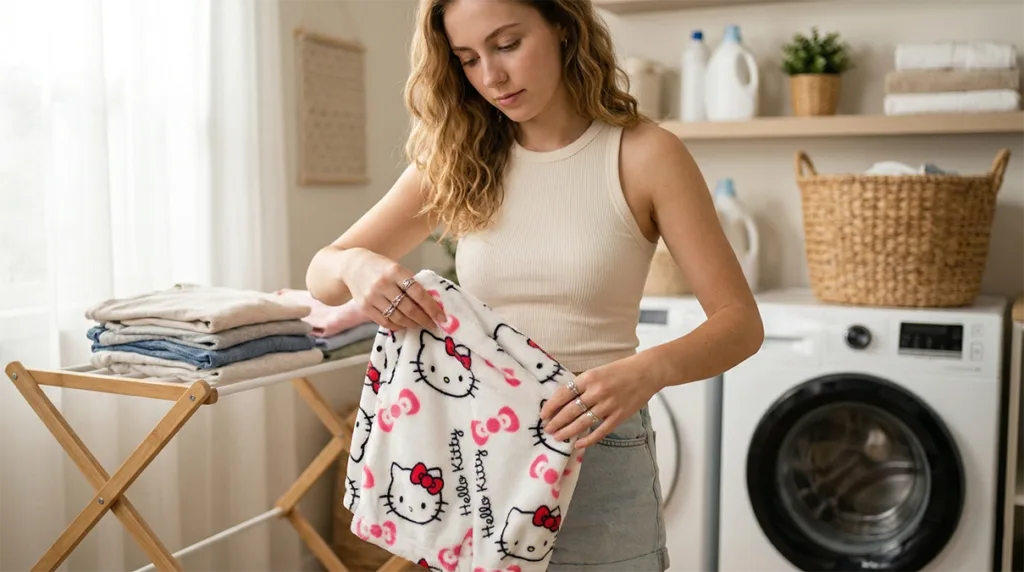
There’s nothing quite like slipping into a pair of soft flannel pajama pants at the end of a long day. That cozy, brushed-cotton feeling against your skin is pure comfort — especially when your PJs feature your favorite characters. But here’s the thing: flannel is a bit of a diva. Treat it wrong, and it goes from cloud-soft to scratchy cardboard faster than you can say “laundry day.”
Whether you just picked up a pair of our Hello Kitty flannel pajama pants or you’re trying to rescue a beloved pair that’s seen better days, this guide covers everything you need to know about how to care for flannel pajama pants and keep them impossibly soft for years to come.
The Golden Rules of Flannel Care
Before we get into the step-by-step details, let’s cover the three non-negotiable rules of flannel care. Tattoo these on your brain (or just bookmark this page):
- Always use cold water. Hot water is flannel’s worst enemy. It breaks down the brushed fibers that give flannel its signature softness and causes shrinkage. Cold water cleans just as effectively for everyday wear and keeps those fibers intact.
- Stick to the gentle cycle. Flannel doesn’t need an aggressive wash. The gentle or delicate cycle provides enough agitation to clean without beating up the fabric.
- Skip the fabric softener. This one surprises people. Fabric softener feels like it should help, right? Wrong. It coats the flannel fibers with a waxy residue that actually makes them less soft over time and reduces the fabric’s ability to breathe. If you want extra softness, add half a cup of white vinegar to the rinse cycle instead — it softens naturally without any residue.
Step-by-Step Flannel Washing Guide
Ready to wash your flannel pajama pants the right way? Here’s the full process:
1. Turn Them Inside Out
This is a small step that makes a big difference. Turning your flannel PJs inside out before washing protects the outer surface from friction against other clothes in the machine. It’s the same reason you’d turn a printed tee inside out — it preserves the look and feel of the side everyone sees (or in this case, the side you feel against your skin).
2. Wash with Like Colors
Flannel can shed a bit of lint, especially in the first few washes. Wash your flannel pants with similar colors and similar fabrics when possible. Avoid mixing them with items that produce a lot of lint (like towels) or items with zippers and hooks that could snag the fabric.
3. Use a Mild Detergent
Choose a gentle, liquid detergent — skip anything with bleach, brighteners, or heavy fragrances. These additives are harsh on flannel fibers and can cause fading. A small amount goes a long way. Using too much detergent leaves residue in the fabric that makes it feel stiff.
4. Select the Gentle Cycle with Cold Water
Set your machine to the gentle or delicate cycle and make sure the water temperature is cold. If your machine has a spin speed option, choose a lower spin to reduce stress on the fabric.
5. Remove Promptly
Don’t let your flannel pants sit in the washer after the cycle ends. Damp flannel left in a pile can develop that musty smell nobody wants, and wrinkles set in quickly. Move them to the dryer or hanging rack right away.
Drying Your Flannel Pajama Pants
How you dry flannel matters just as much as how you wash it. Here’s the deal:
Best option: Air dry. Hang them on a drying rack or lay them flat on a clean towel. This is the gentlest method and causes zero shrinkage. If you’re air drying, give them a good shake first to prevent wrinkles and keep the fibers fluffy.
Second best: Low heat in the dryer. If you need to use the dryer, keep it on the lowest heat setting. Flannel and high heat do not get along. High heat causes shrinkage, damages the brushed fibers, and can make the fabric feel rough and thin. Remove your pajama pants while they’re still slightly damp — they’ll finish drying naturally and stay softer.
Never use high heat. We can’t stress this enough. One cycle on high heat can undo months of careful flannel care. If your flannel pants come out of the dryer feeling crispy, high heat is almost certainly the culprit.
One more tip: toss in a couple of wool dryer balls if you use the machine. They help fluff the fabric and reduce drying time without the fiber-coating problems of dryer sheets.
Dealing with Pilling
Pilling — those tiny fabric balls that form on the surface — is a natural part of flannel’s life cycle. It happens when short fibers work loose from the weave and tangle together. It doesn’t mean your pajama pants are falling apart, and it’s totally manageable.
How to Remove Pills
A battery-powered fabric shaver is your best friend here. Run it gently over the surface and it’ll trim away pills without damaging the fabric. You can find one for under ten dollars, and it works on sweaters, blankets, and upholstery too — a solid investment for anyone who loves cozy things.
In a pinch, you can carefully use a disposable razor on a flat surface, but a fabric shaver is safer and more effective.
How to Prevent Pilling
- Wash inside out (reduces surface friction)
- Use the gentle cycle (less agitation = less pilling)
- Avoid washing with rough fabrics like denim
- Use a mesh laundry bag for extra protection
- Don’t over-dry in the machine
How Often Should You Wash Flannel Pajama Pants?
Here’s some good news: you don’t need to wash your flannel PJs after every single wear. In fact, washing less often is better for the fabric.
The sweet spot is every 3 to 4 wears, assuming you’re wearing them for lounging and sleeping in a reasonably clean environment. Obviously, if they get stained, sweaty, or start to smell, wash them sooner. But for normal pajama duty, every few wears keeps them clean without putting unnecessary stress on the fabric.
Between washes, hang them up or fold them neatly so they can air out. A little airflow goes a long way toward keeping things fresh.
Storage Tips for Flannel Pajama Pants
How you store your flannel pants between seasons (or even between wears) affects their longevity more than you might think.
- Fold, don’t hang. Hanging flannel pants on a hanger can stretch out the waistband over time. Fold them neatly and place them in a drawer or on a shelf.
- Choose a cool, dry place. Heat and moisture are bad for stored flannel. A dresser drawer in a climate-controlled room is perfect. Avoid attics, garages, or anywhere that gets hot and humid.
- Use cedar blocks instead of mothballs. If you’re storing flannel for an extended period (like packing away winter PJs for summer), cedar blocks or lavender sachets keep pests away without the harsh chemical smell of mothballs. They also smell amazing every time you open the drawer.
- Make sure they’re completely clean and dry before storing. Any residual moisture or body oils left in the fabric can cause yellowing or mildew during long-term storage.
Keep Your Flannel PJs Feeling Brand New
Caring for flannel pajama pants isn’t complicated — it just takes a little intention. Cold water, gentle cycles, no fabric softener, and low heat (or air drying) will keep your favorite PJs soft and cozy wash after wash. Add in some smart storage habits and a fabric shaver for the occasional pill, and you’re set for years of comfort.
Ready for the Coziest Flannel PJs Ever?
Our Hello Kitty flannel pajama pants are made with premium brushed cotton that gets softer with every wash — when you follow the tips above, of course!